- Serving, Baltimore, Harford, Howard, Anne Arundel and other surrounding counties.
- 410-977-3718

Learning to Fall the Right Way
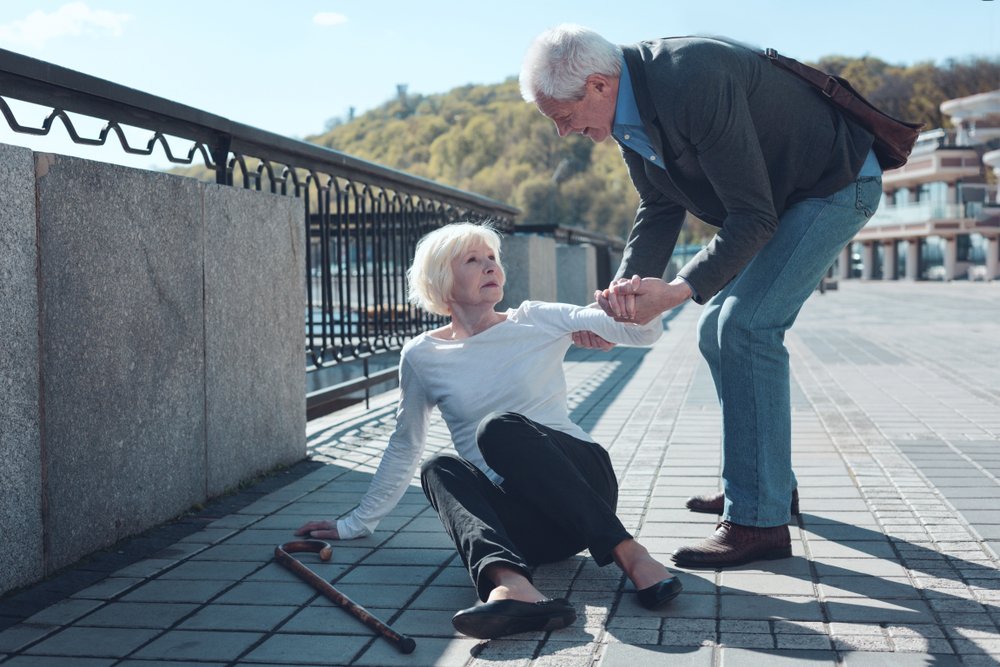
One in four Americans over the age of 65 falls every year. While some of these falls do not result in lasting damage, falls are the leading cause of fatal injuries and the leading cause of non-fatal trauma-related hospital admissions among seniors. Whether you’re a young adult or older adult, learning to fall the right way is essential to minimizing damage.
How to Fall Properly
- Stay bent when you notice that you are falling, and keep your elbows and knees propped up and ready to catch you. Many times, when people feel off-balance, they panic and become rigid. Instead, you want to bend your elbows so that you can better soften the impact on the rest of your body. If you get rigid, you are at an increased risk of a broken wrist or elbow.
- Protect your head. If you are falling backward, tuck your chin down. If you are falling forward, turn your face to the side to minimize impact.
- When you land from your fall, try to fall on an area of the body with more fat or cushion. The muscles in your thighs, back and posterior are much better at absorbing impact than a bony part of the body, like an elbow.
- Don’t try to stop yourself from falling if you notice that you are doing so. Instead, keep rolling your body into the fall. This helps you to spread the impact over your body instead of trying to catch yourself on something and doing more damage when you are rigid and tense.
Prevention is Key – What You Can Do
Prevention is the other component of injury prevention in seniors who are at risk of falls. Practice being aware of your surroundings, even when you are at home. Don’t walk around while text messaging or doing anything else that takes your attention off of where you are. You should also regularly clean up any clutter, particularly anything in the hallway, on the floor or on the stairs. Take a critical look around your home for tripping hazards, like slippery throw rugs, loose patches of carpet or floorboards that pop up on one end. A little effort into making your home a safer place can prevent dangerous falls.
Resources to Call
Amy Young, Owner of HomeSafe for Seniors is a Certified Aging-In-Place Specialist from the National Association of Home Builders, and has specialty certifications in Home Modifications from the American Occupational Therapy Association and in Geriatrics from the National Board for Certification in Occupational Therapy. She formed HomeSafe for Seniors to help seniors and their families identify what home modifications and adaptive equipment are needed to reduce the risk of falls that can lead to hospitalizations and long term care placement. You can learn more about her here, through the Maryland Senior Resource Network, or learn more via her website, http://www.homesafeforseniors.com.
Stay Safe and Healthy with Senior Care Lifestyles
Senior Care Lifestyles specializes in connecting seniors with the right in-home care, assisted living, or senior living community to meet their needs. We have helped hundreds of clients and treat each senior as a valued member of our own family deserving our personalized attention, compassion and respect.
For help, or questions please call us at 410-977-3718 or send a message through our website www.seniorcarelifestyles.com.